
From Olive To Olive Oil In Croatia
As summer fades along the Croatian coast, another important season begins. Across Istria, Dalmatia and the islands, olives are ripening and the annual olive harvest (berba maslina) gets under way.
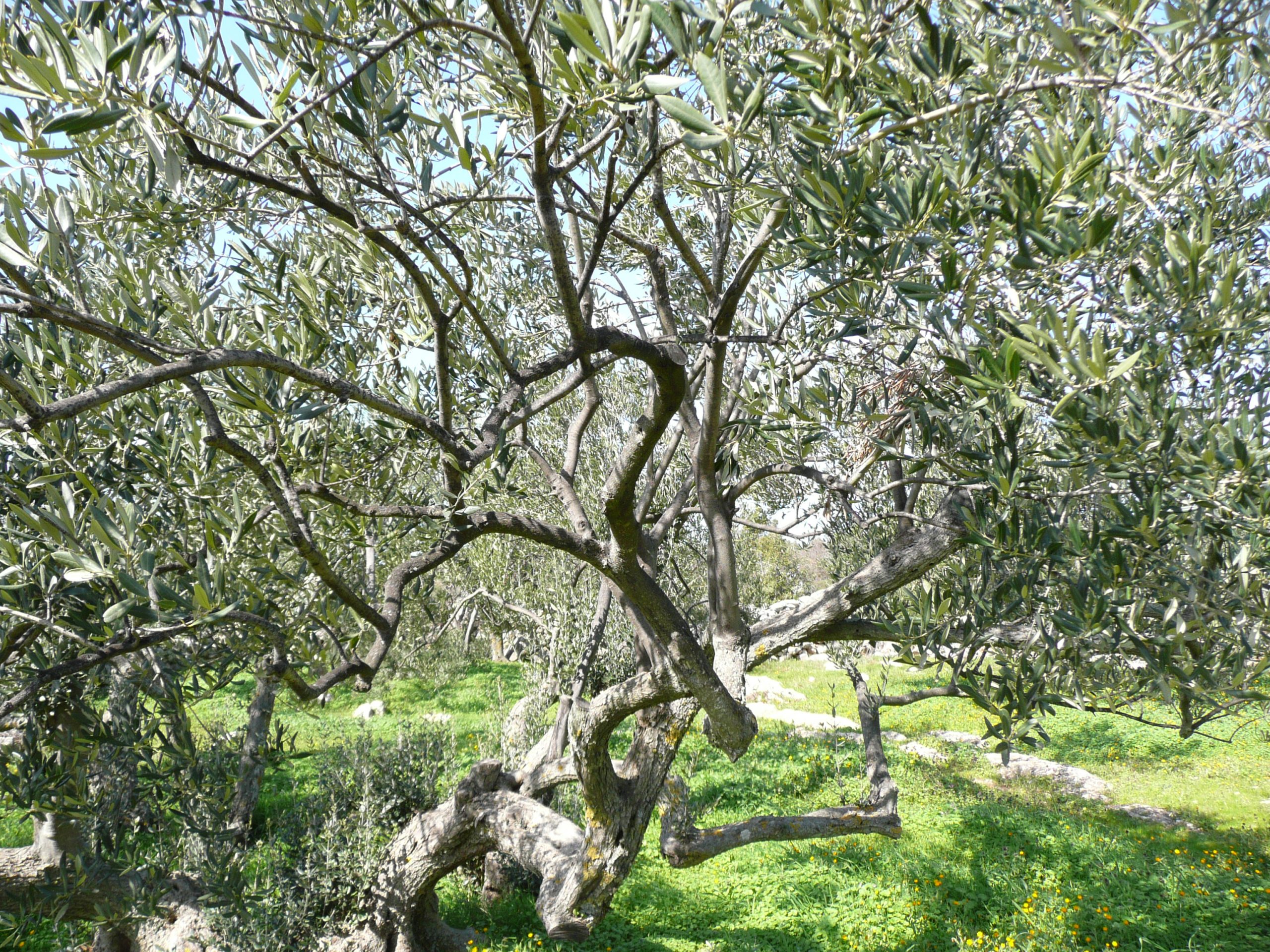
Olive trees (masline) are an iconic part of the Croatian Mediterranean landscape. Their silvery-green leaves, often surrounded by dry stone walls, are a familiar sight in rocky fields, sometimes in places where it seems remarkable that anything can grow at all.
Olive growing has a long history in Croatia and is an important part of the local economy. On the island of Brač, for example, olives have been cultivated for more than 2,000 years and today there are estimated to be around a million olive trees on the island. The local Oblica variety is particularly important and remains the predominant variety grown there.
When Are Olives Harvested?
There is no single date for the Croatian olive harvest. The timing varies according to the region, variety, weather and the type of oil the grower wants to produce.
Harvesting generally takes place during the autumn and can continue into early winter. The fruit changes colour as it ripens, from green through reddish and purple shades to a much darker colour. Growers may choose to harvest earlier or later depending on the characteristics they want from their oil.
The harvest itself is still a very hands-on affair. Nets are spread beneath the trees and the olives are removed from the branches, whether by hand or with the help of mechanical harvesting equipment.
For many families, berba maslina is much more than simply gathering a crop. Family and friends come together to help and olive groves that have been quiet for much of the year suddenly come to life.
From Olive To Olive Oil
Once harvested, the olives need to be processed quickly to preserve their quality. Modern olive-oil production can involve sophisticated machinery designed to limit the fruit’s exposure to air during processing. The result is the new season’s maslinovo ulje – olive oil. Freshly produced oil can be intensely green and have a distinctive fruity, bitter or peppery flavour.
Olive oil is, of course, one of the foundations of cooking along the Croatian coast – served with bread, drizzled over fish and vegetables, used in salads and added to countless traditional dishes. And not every olive ends up as olive oil. Olives are also cured and preserved to be eaten at the table, often simply seasoned with herbs, garlic or citrus. They also find their way into spreads and tapenades, breads and other savoury dishes.
And while olive trees appear to be ubiquitous along the Croatian coast and on the islands, there is plenty of regional variety. Croatia has numerous traditional olive varieties, including Oblica, Buža, Istarska bjelica, Lastovka and Drobnica, and a number of Croatian olive oils have been awarded EU protected status.
A Little Olive Vocabulary
maslina – olive / olive tree
masline – olives / olive trees
maslinovo ulje – olive oil
maslinik – olive grove
berba maslina – olive harvest
uljara – olive press / processing facility
brati masline – to pick olives
ekstra djevičansko maslinovo ulje – extra virgin olive oil
And A Few Useful Phrases
Vrijeme je za berbu maslina. – It’s time for the olive harvest.
Idemo brati masline. – We’re going to pick olives.
Imate li svoje masline? – Do you have your own olive trees?
Kada počinje berba? – When does the harvest begin?
Ovo je domaće maslinovo ulje. – This is local/home-produced olive oil.
Možemo li kušati maslinovo ulje? – Can we taste the olive oil?
Gdje možemo kupiti domaće maslinovo ulje? – Where can we buy local olive oil?
Read about our trip to a family olive museum on Brač here: Croatian Language And Culture Course 2025: Part One – Sunday
And here’s one of our favourite Croatian Olive Oil places: OLYNTHIA Natura – Olive oil – Solta, Croatia
